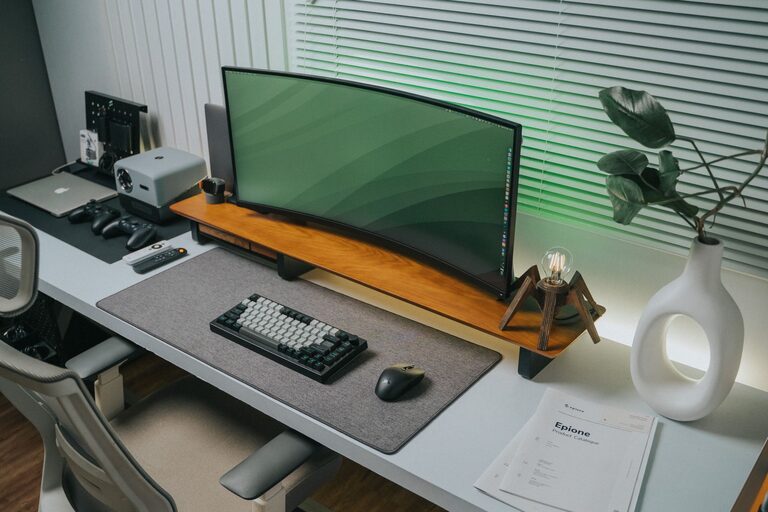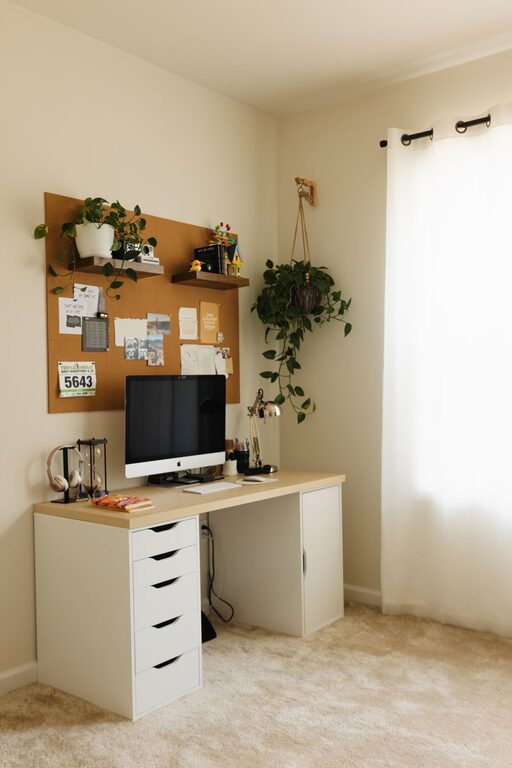
Creating a home workspace that is both cozy and functional can significantly enhance your comfort and productivity. Whether you work from home full-time or need a dedicated area for occasional tasks, having a well-designed workspace can make all the difference. Here are some useful tips to help you craft a space that feels inviting and supports your work needs.
Choose the Right Location
The first step in creating an effective home workspace is selecting the best spot. Ideally, choose a quiet area with good natural light. This helps reduce eye strain and improves your mood. If possible, pick a corner or a room with a door to minimize distractions.
Consider Your Work Needs
Think about what your typical workday looks like. Do you need a large desk for papers and multiple monitors, or just a laptop station? Understanding your needs will guide your choice of space and furniture.
Prioritize Comfort
Comfort is key to maintaining focus and avoiding physical strain.
– Invest in Ergonomic Furniture: A supportive chair and a desk at the right height can prevent back and neck pain.
– Use Adjustable Lighting: Desk lamps with adjustable brightness help reduce eye fatigue, especially in the evenings.
– Add Soft Textiles: Incorporate rugs, cushions, or a cozy throw to make the area feel warm and inviting.
Organize Your Space Efficiently
A cluttered workspace can hinder productivity. Use these organizing tips:
– Use Storage Solutions: Shelves, drawers, and organizers help keep supplies out of sight.
– Limit Desk Items: Keep only essentials on your desk to maintain a clean surface.
– Cable Management: Use clips or sleeves to manage cords and avoid a tangled mess.
Personalize Your Workspace
Adding personal touches can make your workspace more enjoyable and motivate you.
– Add Artwork or Plants: A few framed prints or a small plant can brighten the area and improve air quality.
– Incorporate Inspiring Quotes: Choose motivational quotes or images that encourage you throughout the day.
– Use Color Thoughtfully: Soft, neutral colors promote calm, while vibrant accents can boost energy.
Maintain Good Air Quality and Temperature
A comfortable environment contributes to concentration.
– Ventilate Regularly: Open windows when possible to let in fresh air.
– Use an Air Purifier or Humidifier: These devices can improve air quality, especially in sealed spaces.
– Adjust Temperature: Keep the room at a comfortable temperature, using fans or heaters as needed.
Set Boundaries for Work and Rest
To stay productive and avoid burnout, create clear distinctions between work time and personal time.
– Establish a Routine: Set consistent work hours and stick to them.
– Use Visual Cues: When you’re done, close your laptop or cover your workspace to mentally shift gears.
– Limit Interruptions: Inform family members or housemates of your schedule to minimize distractions.
Incorporate Technology Wisely
Technology can enhance your workspace but also add clutter if not managed.
– Use Wireless Devices: Wireless keyboards, mice, and headphones reduce cables.
– Invest in Quality Equipment: Good audio and video gear improve virtual meetings.
– Keep Devices Charged and Ready: Use charging stations to keep everything in place.
Refresh Your Workspace Regularly
Finally, keep your workspace inspiring and functional by refreshing it occasionally.
– Declutter Weekly: Remove unnecessary items and files.
– Change Decor Seasonally: Swap out accessories and colors to keep things fresh.
– Rearrange Furniture: Try new layouts to optimize light and space.
—
Designing a cozy and functional home workspace is all about balancing comfort with practicality. By paying attention to location, organization, personalization, and environment, you can create a space that not only supports your work but also feels inviting day after day. Whether you have a dedicated room or a small corner, these tips can help you build a home office you’ll enjoy using.