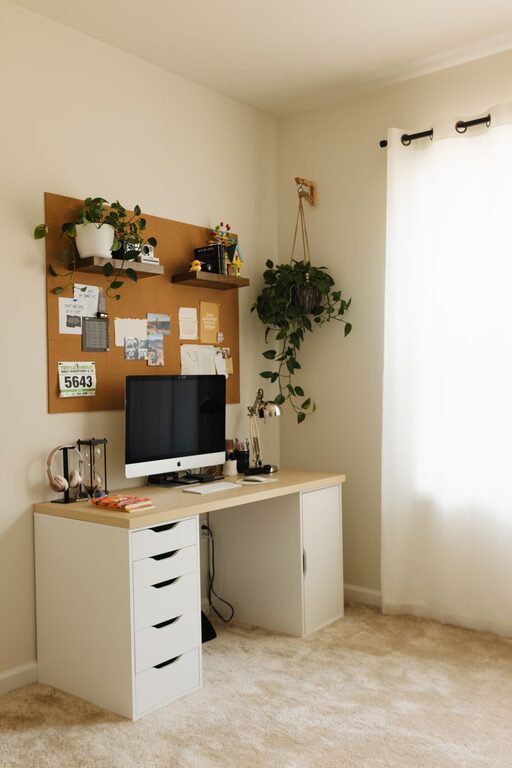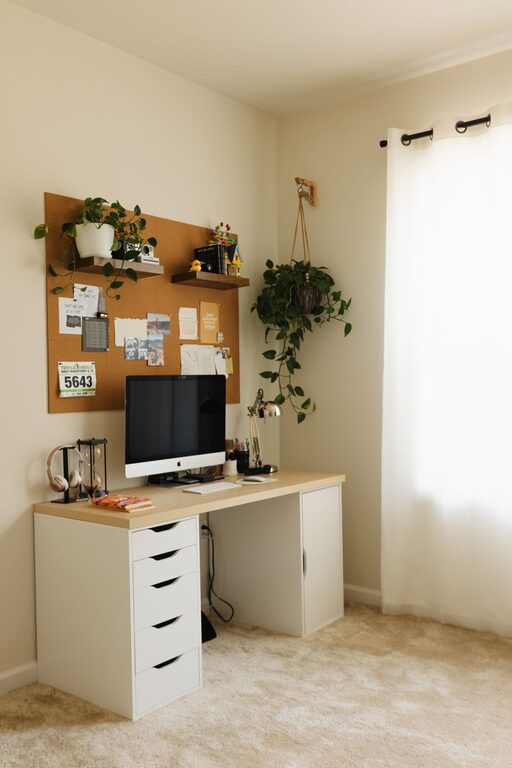
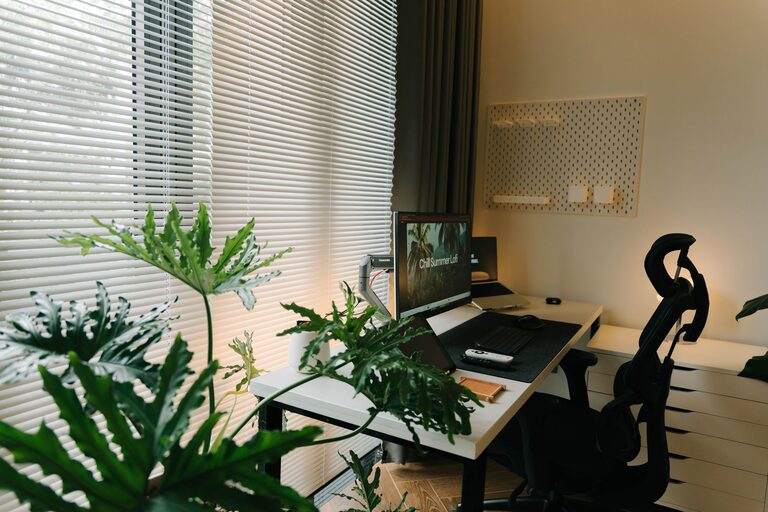
Creating a home office that feels both cozy and productive can transform your work-from-home experience. Whether you’re freelancing, studying, or managing a remote job, the right environment helps you stay focused, motivated, and comfortable throughout the day. Here are some thoughtful tips to help you build a home office that blends comfort with efficiency.
Choose the Right Location
Consider Natural Light
Placing your home office near a window allows you to enjoy natural light, which can improve mood and energy levels. If possible, position your desk so that sunlight comes from the side to reduce glare on your screen.
Minimize Distractions
Pick a spot away from noisy areas or high-traffic zones in your home. A quiet corner or a spare room can serve as a dedicated workspace, helping you separate work from relaxation.
Invest in Comfortable and Functional Furniture
Ergonomic Chair
A supportive, adjustable chair is essential for maintaining good posture and comfort during long working hours. Look for one with lumbar support and adjustable height.
Spacious Desk
Choose a desk that fits your needs—ample surface area for your computer, notebooks, and other essentials helps prevent clutter. Desks with built-in storage or shelves can help organize supplies efficiently.
Personalize Your Space
Add Cozy Textiles
Incorporate soft elements such as a small rug, cushions, or a throw blanket. These details make your office feel inviting and comfortable without sacrificing professionalism.
Decorate with Plants
Adding greenery to your workspace not only brightens the room but also contributes to improved air quality and reduced stress.
Display Personal Touches
Photos, artwork, or inspirational quotes can motivate you and make your workspace uniquely yours.
Optimize Lighting
Use Layered Lighting
Combine natural light with task lighting, such as a desk lamp, to reduce eye strain and maintain energy levels throughout the day.
Choose Warm Bulbs
Warm-toned bulbs create a cozy atmosphere. Avoid harsh fluorescent lights, which can feel cold and tiring.
Keep Your Workspace Organized
Declutter Daily
Spend a few minutes each day clearing your desk. A tidy workspace fosters clear thinking and reduces stress.
Use Storage Solutions
Bins, trays, and shelves help keep supplies and documents neat and easily accessible.
Cable Management
Unruly cables can make your desk messy. Use clips or tubing to keep wires organized and out of sight.
Manage Noise Levels
Use Noise-Canceling Headphones
When background noise is unavoidable, headphones can help you focus.
Add Soft Furnishings
Curtains, rugs, and cushions absorb sound, reducing echo and noise from other parts of your home.
Establish Boundaries
Separate Work and Home Life
Having a dedicated space signals when it’s time to work and when it’s time to relax.
Communicate with Family or Housemates
Make sure those you live with understand your work hours to minimize interruptions.
Incorporate Technology Wisely
Invest in Reliable Equipment
A good-quality computer, monitor, and fast internet connection are key to a smooth workday.
Use Productivity Tools
Apps for task management, calendar scheduling, and note-taking can keep you organized and on track.
Take Breaks and Move Around
Follow the 20-20-20 Rule
Every 20 minutes, look 20 feet away for at least 20 seconds to reduce eye strain.
Stretch or Walk
Set reminders to stand, stretch, or take short walks to maintain energy and prevent stiffness.
—
Creating a cozy and productive home office is about balancing comfort with function. By thoughtfully selecting your space, organizing your tools, and adding personal touches, you can build an environment that supports your best work yet. Remember, your workspace should inspire focus but also provide a sense of calm and well-being. Happy decorating!